How to Tell It’s Time for New Gutter Installation in Hackettstown

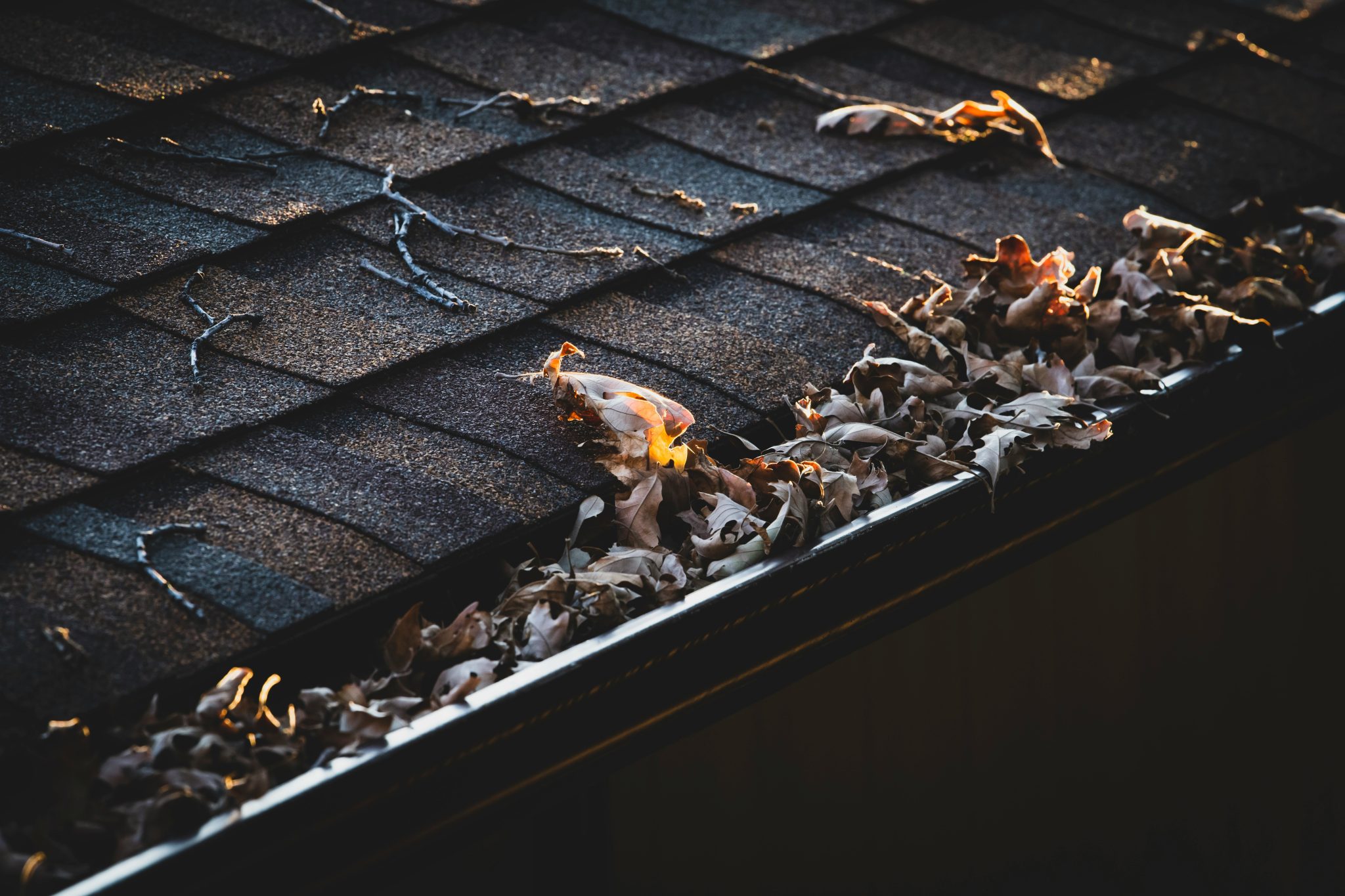
A lot of homeowners do not think much about gutters until something goes wrong. Water spills over the front edge during a storm, mulch washes out of the flower beds, or a damp line appears along the basement wall. By then, the gutter system has usually been struggling for a while.
In Hackettstown, that delay can get expensive. The mix of heavy rain, wet spring weather, summer downpours, falling leaves, and winter freeze-thaw cycles puts gutters under steady pressure. A system that looked fine a few years ago can age faster than people expect, especially if it was undersized, poorly pitched, or installed on fascia that was already starting to soften.
When homeowners ask whether they need a repair or a full replacement, the honest answer is that it depends on what the gutters are telling you. Some problems are isolated and fixable. Others point to a system that has reached the end of its useful life. Knowing the difference matters, because patching the wrong issue can waste money and leave the home exposed.
Gutters fail slowly before they fail obviously
Most gutter systems do not collapse overnight. They decline in stages. First, you get a loose spike here or a small seam leak there. Then one section starts holding water. Later, the runoff begins staining siding or digging trenches below the roofline. Homeowners often adapt to these signs instead of treating them as warnings. They move a downspout extension, clean more often, or avoid walking near the splash zone after a storm.
That habit is understandable, but it can hide the real issue. Gutters are not supposed to need constant babysitting. If your system only works when conditions are perfect, after a fresh cleaning, during moderate rainfall, and with no wind, it is not really working.
In Hackettstown, this is especially common on older homes where the gutter profile was chosen years ago and never updated. Roofing materials change. Drainage demands change. Landscaping changes. Even a roof replacement can alter how water sheds into the trough. What used to be adequate may no longer be enough.
The most reliable signs that replacement makes more sense than repair
Some symptoms are stronger than others. A single leak at a seam may be a quick fix. But widespread wear across the system usually points toward new Gutter Installation.
Here are the signs I take most seriously when evaluating whether replacement is the smarter move:
- Repeated leaks in multiple places. One leak can be sealed. Several leaks along seams, corners, or end caps usually mean the material is aging and more failures are coming.
- Sagging runs or sections pulling away from the house. This often signals failing fasteners, water weight, improper pitch, or rotted fascia behind the gutter.
- Visible rust, cracks, splits, or pinholes. These defects rarely stay isolated, especially through another New Jersey winter.
- Overflow during ordinary rain. If the gutters spill even when they are clean, the system may be undersized, badly sloped, or simply worn out.
- Water damage on siding, trim, fascia, foundation edges, or basement walls. Once runoff starts affecting the house, the gutter problem is no longer cosmetic.
What matters is not just whether one of these issues exists, but how often it happens and how widespread it is. A ten-foot repair on an otherwise healthy system is one thing. Chasing four or five different problems across the entire perimeter is another.
Overflow is often the clearest message
Homeowners usually notice overflow before anything else. They stand at the window during a storm and see sheets of water pouring over the edge. Sometimes it looks dramatic only at one corner. Sometimes the whole front elevation turns into a waterfall.
The first assumption is usually clogging, and sometimes that is right. Leaves, shingle grit, and seed pods can absolutely choke a gutter. But if the system has been cleaned and it still overflows, the cause tends to run deeper. In my experience, one of three things is usually happening.
The gutter may be pitched incorrectly, so water is not moving efficiently toward the downspouts. It may be too small for the roof area feeding it, which is common on older installations. Or the downspouts may be too few, too narrow, or poorly located. In each case, the gutter is not just dirty, it is mismatched to the home.
That distinction matters because repeated overflow causes collateral damage fast. Water hitting the same strip of soil can erode a bed in one season. Water driven back behind the gutter can dampen fascia and soffit, loosen paint, and invite carpenter ants or rot. On colder days, that moisture can refreeze at the eaves and create another layer of stress.
For homeowners considering Gutter Installation Hackettstown services, overflow is often the tipping point. If you are seeing spillover during routine rain events, not just once in a severe storm, the system is telling you it cannot keep up.
Sagging gutters are rarely just a hardware problem
A lot of people look at a drooping section and assume it only needs a few new hangers. Occasionally that is true. More often, sagging is a symptom of accumulated strain.
Water is heavy. Even a modest amount trapped in a poorly draining gutter adds significant load. Add wet leaves, winter ice, and fasteners that have been worked loose over the years, and the system starts to deform. Once the line loses its pitch, more water stays behind after every storm. That standing water increases the weight, and the sag gets worse.
There is also the issue behind the gutter. If the fascia board has begun to rot, no fastener will hold reliably for long. I have seen homes where the gutter was resecured more than once, only for the same section to pull away again because the wood underneath had become soft and brittle. At that point, a repair to the metal alone is not solving the real problem.
When sagging appears in several sections or along a long run, replacement usually becomes more economical. A new system can be installed with proper spacing, better support, corrected pitch, and any necessary fascia repairs handled at the same time. That approach costs more upfront than a spot fix, but it stops the cycle.
Seam failures and corrosion mean the clock is running out
Older sectional gutters have more joints, and every joint is a potential leak. Sealants break down. Expansion and contraction work the seams. Debris sits in the corners and holds moisture. Over time, those connection points become the weak links in the system.
Aluminum does not rust the way steel does, but it can still corrode, pit, and thin out. Steel gutters can rust outright, especially where protective coatings have worn off. Copper has a long service life but still develops issues if sections were installed poorly or if the slope is wrong. Material matters, but age and installation quality matter just as much.
A small pinhole or seam drip may not sound urgent, yet repeated leakage at the same wall line can do quiet damage. I remember one house where the owners thought they had a minor corner leak. What they actually had was years of water running behind the gutter at one end. The trim looked weathered but harmless from the yard. Once the damaged section was opened up, the fascia was soft enough to push through with a screwdriver. That started as a gutter issue and turned into carpentry.
If your system has multiple leak points and visible wear, replacement often saves money over a string of small repairs. There is a point where sealing one more seam is like patching an old garden hose. You can keep doing it, but you stop trusting it.
Basement dampness and foundation staining can start at the roofline
People do not always connect lower-level moisture to gutters. They should. One of the main jobs of a gutter system is to move water far enough away from the foundation that the soil near the home does not stay saturated.
When gutters overflow or downspouts dump too close to the house, that water has to go somewhere. In some yards, it disappears harmlessly into well-draining soil. In others, especially where grading is imperfect or clay content is high, it lingers. Over time, that can show up as settlement cracks, efflorescence on basement walls, musty smells, or seasonal seepage.
Hackettstown has plenty of homes where drainage conditions vary a lot from one side of the property to the other. A shaded side yard may stay wet longer. A front elevation with compacted soil may shed water toward the foundation instead of away from it. In those situations, gutters have less margin for error.
If you are seeing staining on the foundation, mud splash on siding, or persistent moisture near the base of the house after rain, the gutter system deserves a close look. The issue may not be the only cause, but it is often part of the chain.
Ice, snow, and winter stress reveal weaknesses fast
Winter has a way of exposing every shortcut in an exterior system. A gutter that performs acceptably in mild weather may struggle once temperatures swing above and below freezing. Water left standing in a low spot expands when it freezes. Hangers take on extra weight. Ice at the edge can force water backward under shingles or behind the gutter lip.
This does not mean gutters cause every ice dam. Attic insulation, ventilation, roof temperature, and snow conditions all play a role. But failing gutters can make winter water management much worse. A damaged or badly pitched system is less able to move meltwater during the brief warm window when it needs to drain.
That is one reason homeowners in Hackettstown often replace gutters after winter, not before it. The season makes hidden problems visible. Bent sections, separated joints, loosened fasteners, and stain patterns tell a clearer story once the snow is gone.
Repairs still make sense in the right situations
Not every problem calls for a full replacement. Good contractors https://www.google.com/maps?cid=3999183471512401406 should be willing to say that. If the gutters are relatively new, the material is sound, and the issue is isolated, a repair can absolutely be the right choice.
A short section damaged by a fallen branch may be replaceable. A loose downspout can be resecured. A single corner leak can often be resealed if the surrounding metal is healthy. Sometimes the only real issue is inadequate drainage at the discharge point, which can be improved with extensions or underground piping.
The difference is scope. If the system has one problem and a clear fix, repair is reasonable. If it has many problems that all stem from age, poor layout, or chronic overflow, replacing piecemeal parts becomes false economy.
What a proper replacement should actually solve
A new gutter system should do more than look straighter from the street. It should correct the underlying drainage issues that caused trouble in the first place. That means evaluating roof area, slope, downspout placement, discharge direction, fascia condition, and the practical realities of the property.
A good replacement plan usually addresses several questions at once. Is the gutter size sufficient for the roof planes feeding each run? Are there enough downspouts to move water efficiently? Are long runs pitched correctly so they drain instead of ponding? Is the fastening method strong enough for local weather conditions? Will the discharged water move far enough from the house?
Those choices affect performance more than color or style, though aesthetics matter too. Seamless aluminum is common because it balances cost, durability, and lower leak risk. Heavier gauge materials can be worthwhile on larger roofs or exposed elevations. Gutter guards can help in some settings, especially under tree cover, but they are not magic. Some reduce cleaning frequency. None eliminate maintenance entirely.
That is where local judgment matters. Gutter Installation Hackettstown is not just about hanging metal under the eaves. It is about matching the system to a specific home, roofline, and drainage pattern.
A few clues homeowners can spot from the ground
You do not need to climb a ladder to notice early warning signs. In fact, I would rather see a homeowner observe carefully from the ground than take risks trying to inspect a second-story run.
Pay attention after the next ordinary rain, not just during a major storm. Watch where the water goes. Look at the house the day after. The evidence is often there if you know what to look for.
- Water marks beneath the gutter line or on siding
- Soil washout, exposed roots, or flattened mulch beds below eaves
- Gutters that look wavy, tilted, or separated from the fascia
- Downspouts that drip at joints or dump right beside the foundation
- Peeling paint or darkened wood near roof edges
These are field clues, not a diagnosis. Still, if you notice more than one of them, it is worth getting the system evaluated before the next hard season.
Why timing matters more than many homeowners realize
People often wait until a visible failure forces action. That can mean calling for help in the middle of storm season, after fascia has rotted, after a basement leak, or after landscaping has been damaged twice. Replacement under pressure is rarely ideal. Scheduling becomes tighter, the scope may expand, and homeowners have less time to compare options.
There is also a practical advantage to replacing before a roof-edge problem spreads. If the fascia, soffit, and trim are still mostly sound, installation is simpler and cleaner. Once those materials deteriorate, the job turns into a combined repair project. That is not a reason to panic, but it is a reason not to ignore clear signs.
In Hackettstown, late spring through early fall is often the easiest window for exterior work, though replacement can happen at other times when conditions allow. The best time is simply before water is doing ongoing damage.
Choosing between getting one more year and doing it now
This is the question homeowners ask most: can the gutters make it one more year?
Sometimes, yes. If the issues are minor and isolated, a repair may buy time responsibly. But I would be cautious if you are already seeing overflow, sagging, recurring leaks, or evidence of water affecting the house itself. Those are not cosmetic annoyances. They are signs that the protective system at the roofline is failing at its basic job.
One practical way to think about it is this: if the cost of repeated repairs is adding up, and your confidence in the system keeps dropping, replacement is probably closer than you want to admit. A new system should reduce maintenance headaches, protect the fascia and foundation, and handle rain without drama. That peace of mind has value.
For homeowners researching Gutter Installation in Hackettstown, the goal should not be to replace gutters at the first small issue. It should be to replace them at the point where repairs stop being smart stewardship and start becoming delay.
The real test is performance, not appearance
Some old gutters look rough and still work. Some newer-looking systems are failing quietly. Paint color, a straight front edge, or a recent cleaning can hide a lot. The real test is performance. Does the system capture water cleanly, move it efficiently, and discharge it far enough from the house to protect the structure?
If the answer is no, and especially if the problems are recurring, new Gutter Installation may be the most cost-effective next step. In Hackettstown, where weather puts steady stress on every exterior component, a dependable gutter system is not a finishing touch. It is basic protection for the roof edge, siding, foundation, and everything below.
When a gutter system starts asking for constant attention, believe it. Homes are usually better served by one well-planned replacement than years of chasing the same failures from storm to storm.
Just Gutters LLC
Address: 262 Main St, Hackettstown, NJ 07840
Phone number: +12013319454
FAQ About Gutter Installation Hackettstown
Can I install a gutter myself?
Yes, you can install gutters yourself. DIYers typically use aluminum or vinyl sections from home improvement stores. The project requires basic tools, precise measuring, and comfort working on ladders. Key steps include snapping a chalk line for a slight slope (1/4 inch per 10 feet toward downspouts), securing hangers every 2 feet, and caulking all joints securely.
How much does body contouring usually cost?
The Home Depot typically charges between $1,000 and $3,600 for a standard professional gutter installation on a typical single-family home with 200 linear feet of gutters. Calculated on a per-foot basis, the cost usually ranges from $5 to $18 per linear foot, highly dependent on the material you select.
How much does a 40 ft seamless gutter cost?
A 40 ft seamless gutter run will cost between $240 and $1,120+ fully installed, depending on the material you choose. Because seamless gutters require specialized on-site fabrication machines, they are rarely sold as DIY kits and are priced per linear foot.