The Difference Professional Gutter Installation Makes in Hackettstown
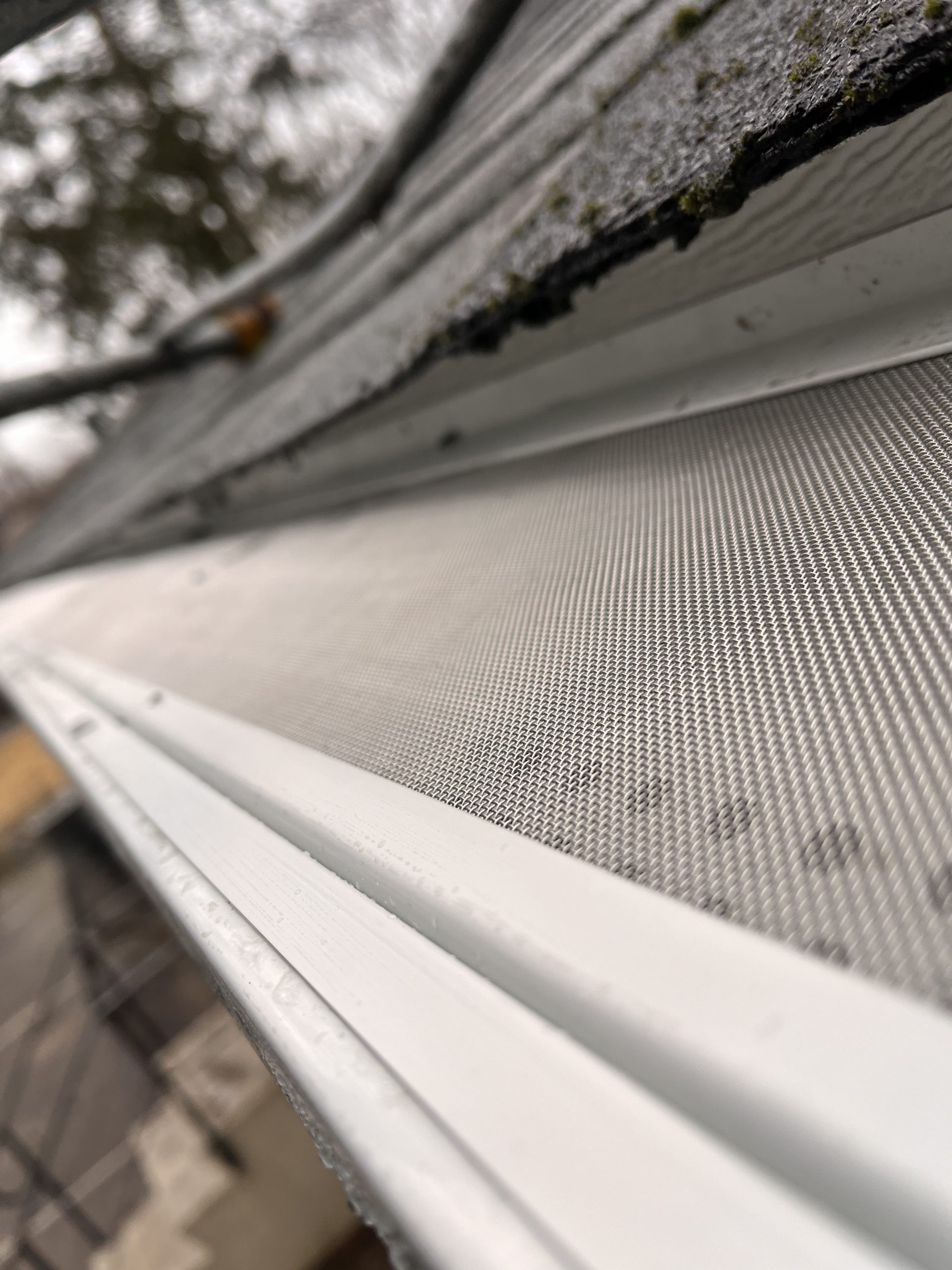

In Hackettstown, gutters rarely get much attention until something goes wrong. A damp basement wall, mulch washed into the driveway, black streaks down the siding, a strip of eroded soil along the foundation, these are the kinds of clues homeowners notice first. By then, the real problem has often been building for months or years. Water has a way of exposing shortcuts.
That is why the difference between a quick gutter job and professional gutter installation is not cosmetic. It is structural, practical, and long term. A gutter system is supposed to manage thousands of gallons of roof runoff over the course of a year. If it is undersized, badly pitched, poorly fastened, or drained to the wrong place, it can create problems that cost far more than the gutters themselves.
For homeowners considering Gutter Installation Hackettstown services, the value of professional work comes down to fit, drainage planning, material choice, and the kind of judgment that only shows up when conditions are less than perfect. Every house has details that matter. Rooflines vary. Fascia boards are not always straight. Some homes sit on a slight grade, others on clay-heavy soil, and still others near older landscaping that already struggles with drainage. Good installation accounts for those realities instead of pretending every house is a clean rectangle on level ground.
Gutters do more than keep you dry at the front door
A lot of people think of gutters as a convenience. They stop water from pouring off the roof edge onto walkways and entry steps. That is true, but it is only part of the picture. The more important job happens at the perimeter of the home, where water needs to be collected, directed, and carried away before it can soak the soil around the foundation.
When runoff is not controlled, it tends to collect at the base of the house. During a light rain, that may not seem dramatic. During back to back storms, or when snow melts quickly after a freeze, the ground can become saturated faster than people expect. Water then follows the easiest path. It may seep into a basement, creep under a slab edge, splash up onto siding, or settle around window wells and low spots near porches.
Professionally installed gutters reduce those risks by doing three things well. They catch a high volume of runoff, they maintain a consistent slope so water keeps moving, and they discharge in the right location. That last part matters more than many homeowners realize. Even a perfectly mounted gutter can fail in practice if the downspouts empty too close to the house or toward a walkway, planting bed, or neighboring low spot.
In Hackettstown, where weather patterns bring everything from steady rain to heavy thunderstorms and winter freeze-thaw cycles, drainage performance has to hold up across seasons. A system that looks neat on install day but clogs easily or traps standing water will not last. Professional Gutter Installation addresses those issues up front.
Why local conditions change the job
There is no such thing as a universal gutter setup. The right system for one house can be wrong for the one next door. That becomes especially clear in a place like Hackettstown, where housing styles, lot conditions, and roof shapes can vary block by block.
A steep roof sheds water fast. A long roof run may need larger gutters or more carefully placed downspouts to keep up during heavy rain. Mature trees can fill open troughs with leaves, seed pods, and twigs, which changes whether gutter guards make sense and what type would actually work. Older homes may have fascia boards that have taken years of moisture exposure, and those boards need inspection before anyone starts hanging new metal on them.
Professional installers read those conditions instead of treating them as minor details. They look at roof area, not just roof edge length. They notice where water is already staining the siding or trenching through flower beds. They ask where the downspouts can terminate without creating a new problem. That level of planning is where the difference starts.
I have seen homes where the old gutters were blamed for every drainage issue, when the bigger problem was the discharge point. Water was being moved efficiently off the roof and then dumped right beside the foundation. Replacing the gutters alone would not have solved anything. A professional understands that runoff management is a system, not a strip of metal.
The problem with rushed or low-skill installation
Gutters can look straight from the ground and still be installed badly. That is one reason homeowners are sometimes disappointed even after paying for a replacement. The system appears new, but it does not perform like new.
One common issue is improper pitch. Gutters need enough slope to move water toward the downspouts, but not so much that they look visibly uneven. Too little pitch leaves standing water in the trough. Over time, that adds weight, attracts debris, encourages corrosion in some materials, and increases the chance of winter ice buildup. Too much pitch can make the run look off and reduce collection efficiency at the high end.
Fastener spacing is another detail that separates professional work from bargain work. Gutters take stress from water load, wind, debris, and ice. If hangers are spaced too far apart, the system can begin to sag. Once a section loses its line, water starts pooling in the low spots, which makes the problem worse. This is especially important on homes where snow and ice can sit at the roof edge during winter weather.
Then there are seams, corners, and end caps. These are the places where leaks often begin. A sloppy seal might hold for a season, then fail after expansion, contraction, and repeated moisture exposure. Seamless gutters reduce some of that risk because there are fewer joints along the run, but corners and connections still need careful assembly.
A rushed installer may also skip the less visible prep work. If the fascia is soft, split, or rotted, mounting new gutters over it is little more than a temporary cover-up. The screws may hold for a while, but the substrate is already compromised. A professional points that out before the installation moves forward, even if it makes the estimate more complicated.
Seamless gutters are not just a sales talking point
Homeowners hear the term often, and sometimes it sounds like marketing jargon. In practice, seamless gutters can make a real difference because most leaks do not happen in the middle of a solid run. They happen at joints.
With sectional systems, every connection is a potential weak point. Even when installed carefully, more seams mean more places for sealant to age, separate, or fail. Debris also tends to catch at joints, which can slow drainage and create https://eduardosakr470.overblog.fr/2026/07/why-investing-in-gutter-installation-hackettstown-is-a-smart-move.html clogs. Seamless systems, fabricated to fit the house, reduce those interruptions.
That does not mean seamless is automatically the best choice for every property or every budget. There are cases where sectional components are still used for certain areas, and corners and downspout connections remain part of the assembly no matter what. But in general, professional gutter installation leans toward seamless for good reason. It creates a cleaner look and usually improves long term reliability.
The visual side matters more than some people expect. Gutters run along some of the most visible lines of a house. If they wave, gap, or pull away from the fascia, the whole roofline looks neglected. A professionally formed and installed system sits close, straight, and proportionate to the home. It does its job quietly.
Correct sizing is where experience pays off
A homeowner can measure the roof edge and get a rough estimate of how many feet of gutter a house needs. That is easy enough. Determining the right capacity is another matter.
Sizing depends on the roof area feeding each run, the pitch of the roof, and the expected volume of runoff during heavy rain. A small front porch roof and a broad rear roof plane should not necessarily be treated the same way. If the installer uses the same configuration everywhere just to simplify the job, overflow may show up in the places that take the heaviest water load.
This is one of the biggest advantages of hiring a seasoned Gutter Installation professional. They know where standard sizing works and where it starts to fall short. They know when an extra downspout is smarter than trying to force too much water through one outlet. They know that an inside corner can handle runoff differently than a straight run, and that long sections need support planned around actual load, not just neat spacing.
On paper, undersizing may save a little money. In reality, it tends to cost more. Overflow at the wrong roof section can damage fascia, soffits, siding, and landscaping. It can also create concentrated water at a foundation corner, which is the sort of issue homeowners usually discover after the fact.
Downspouts decide where the water problem goes
If gutters are the collection system, downspouts are the delivery system. Their placement is one of the most important parts of the entire job.
A downspout should send water to a location that can handle it. That sounds obvious, yet plenty of installations ignore basic site logic. Water should not be discharged onto a stoop where it can freeze in winter. It should not be pointed at a narrow planting bed trapped between the house and a hard surface. It should not empty where splashback will constantly wet brick, siding, or trim.
In many cases, extensions, splash blocks, or tied-in drainage solutions are needed to move water far enough away. The right choice depends on grading, space, and how the property already drains. On some homes, a simple above-ground extension is perfectly workable. On others, it becomes an eyesore or a tripping hazard, which leads homeowners to remove it, defeating the whole purpose.
This is where professional planning helps. The installer is not just hanging parts. They are thinking through how a storm behaves on that specific lot. During a heavy rain, where does the driveway sheet water already collect? Which side yard stays wet longest? Is there a lower patio area where runoff should definitely not be directed? Those are practical questions, and they are central to successful Gutter Installation Hackettstown projects.
The hidden value of inspecting the roof edge and fascia
One of the best things a professional installer brings is the willingness to slow down and inspect what is underneath. Gutters attach to something, and if that structure is failing, the new system cannot perform properly for long.
Fascia boards are often the first place water damage appears around the roof edge. Overflow from clogged gutters, long-term leaks at seams, and ice-related moisture can soften wood over time. Sometimes the damage is visible from the ground, but often it is only obvious when someone gets close enough to probe the surface and inspect the attachment areas.
The same goes for drip edge details. If water is slipping behind the gutter instead of into it, the issue may involve how the roof edge was finished or how the gutter was positioned relative to the shingles and underlayment. Simply replacing the old gutter with a new one in the same wrong position does not solve that. It just resets the clock.
A professional may recommend minor carpentry repairs before installation. That can be frustrating if a homeowner expected a straightforward replacement, but it is usually money better spent than covering the damage and hoping for the best. Gutters are only as dependable as the structure holding them.
Material choices are not only about price
Aluminum is common for a reason. It is relatively lightweight, rust resistant, widely available, and suitable for many residential applications. For most homes, it strikes a sensible balance between cost and performance. But it is not the only option, and not every gauge or finish performs the same way.
Steel offers strength, though it may require more attention depending on coating quality and long-term exposure. Copper has a distinctive appearance and longevity, but it comes at a premium that only makes sense in certain architectural contexts or restoration work. Vinyl is sometimes considered for budget reasons, yet it is often less forgiving in climates that cycle through heat, cold, and impact stress.
Professional installers usually guide homeowners through these trade-offs in plain language. They do not just quote a price per linear foot. They explain how the material will behave over time, how it fits the style of the home, and what level of maintenance to expect.
For many homes in Hackettstown, the smartest answer is not the fanciest one. It is the system that matches the roof size, exposure, and budget while still holding up through seasonal stress. Good judgment lives in that middle ground.
Gutter guards can help, but they are not magic
Leaf protection is one of those topics that can become oversimplified quickly. Some homeowners expect guards to eliminate maintenance completely. Others have had a bad experience and assume all guard systems are useless. The truth is somewhere in between.
A properly chosen guard can reduce the amount of debris entering the gutter and cut down on cleaning frequency. That can be especially useful on properties with mature trees close to the roofline. But guards still need to be selected for the debris type, roof layout, and water volume. A design that performs well under one tree canopy may struggle under another.
Very fine debris can still accumulate. Some guard systems can shed large leaves well but allow grit or seed matter to collect over time. Others can interfere with water entry if the roof sends runoff down too aggressively in a storm. Installation quality matters here too. Even a decent product can underperform if it is fitted poorly.
When homeowners ask whether gutter guards are worth it, the honest answer is that sometimes they are, and sometimes basic access for periodic cleaning is the better route. A professional will not pretend there is a one-size-fits-all answer.
What professional installation usually includes
The exact scope varies by contractor and by house, but strong gutter work tends to include a core set of considerations that go beyond simply replacing old metal.
- Evaluation of roofline, drainage paths, fascia condition, and runoff load
- Proper sizing of gutters and downspouts for the roof sections involved
- Accurate pitch, secure hanger spacing, and careful sealing at connections
- Thoughtful downspout placement with runoff directed away from the foundation
- Cleanup, testing, and a clear explanation of maintenance needs
That may sound straightforward, but each point carries decisions that affect performance. The difference between an average job and a professional one is often hidden inside these details.
The long-term costs of getting it wrong
Bad gutter installation is rarely a dramatic failure on day one. More often, it becomes a slow drain on the house. A little soil movement here, a little trim rot there, a recurring damp spot in the basement after storms, a patch of algae on siding that never quite dries out. These are the expenses that spread out enough to escape notice until the repair bill gets larger.
Foundation repairs, drainage correction, wood replacement, and interior moisture remediation all cost more than doing gutter work properly at the start. Even landscaping takes a hit. Repeated runoff can carve channels through beds, expose roots, flatten annuals, and wash decorative stone into places it should not be. The labor to reset all that adds up.
There is also the issue of safety and usability. Overflowing or poorly placed downspouts can turn walkways slick in winter. Heavy, sagging gutters can pull loose after a snow or ice event. Water cascading over an entry area creates an everyday nuisance that homeowners often tolerate longer than they should.
Professionally installed gutters reduce those risks because they are designed as part of the home’s water management, not as an afterthought hanging from the roof edge.
How homeowners can tell the difference after the job is done
A good installation should be visible in performance first, appearance second, though ideally both are strong. During rain, water should move smoothly into the gutters without spilling over the front edge except in extraordinary weather. Downspouts should discharge cleanly and away from the house. The runs should look straight from multiple angles, without dips or awkward transitions.
It is also worth paying attention to what happens in the weeks and months after installation. Do the areas near the foundation stay drier? Do splash patterns on siding disappear? Does the basement smell less damp after storms? Those are practical signs that the system is doing its job.
A well-installed system also tends to sound different. Homeowners often notice that the chaotic drumming and waterfall effect around entries and corners fades. Water still moves, of course, but it moves where it is supposed to.
Why craftsmanship still matters on a job like this
Gutters may not be the most glamorous upgrade a homeowner can make, but they are one of the clearest examples of how craftsmanship protects a house. It takes measurement, fabrication, layout judgment, fastening discipline, and drainage sense. None of that is flashy, and all of it matters.
In Hackettstown, homes deal with enough seasonal variation that weak installation tends to reveal itself. A slight pitch error that seems harmless in fair weather can turn into standing water and ice. A poorly planned downspout location can become a sheet of ice near the driveway. A shortcut on fascia attachment can fail under load. Professional Gutter Installation is valuable because it anticipates those moments before they happen.
For homeowners weighing their options, that is the real difference. You are not just buying gutters. You are buying water control, structural protection, cleaner rooflines, and fewer surprises when the weather turns. On a house, that is money well spent.
Just Gutters LLC
Address: 262 Main St, Hackettstown, NJ 07840
Phone number: +12013319454
FAQ About Gutter Installation Hackettstown
Can I install a gutter myself?
Yes, you can install gutters yourself. DIYers typically use aluminum or vinyl sections from home improvement stores. The project requires basic tools, precise measuring, and comfort working on ladders. Key steps include snapping a chalk line for a slight slope (1/4 inch per 10 feet toward downspouts), securing hangers every 2 feet, and caulking all joints securely.
How much does body contouring usually cost?
The Home Depot typically charges between $1,000 and $3,600 for a standard professional gutter installation on a typical single-family home with 200 linear feet of gutters. Calculated on a per-foot basis, the cost usually ranges from $5 to $18 per linear foot, highly dependent on the material you select.
How much does a 40 ft seamless gutter cost?
A 40 ft seamless gutter run will cost between $240 and $1,120+ fully installed, depending on the material you choose. Because seamless gutters require specialized on-site fabrication machines, they are rarely sold as DIY kits and are priced per linear foot.